
Gambling's cultural significance how it shapes societies and traditions
The Historical Roots of Gambling
Gambling has been an integral part of human culture for millennia, with evidence dating back to ancient civilizations such as the Chinese, Greeks, and Romans. In these societies, games of chance were not merely pastimes but were woven into the fabric of social and political life. For example, dice games were found in ancient tombs, indicating their significance in daily life and rituals. Moreover, platforms like winshark-casinos.com exemplify how gambling has evolved and adapted, becoming a reflection of the values and beliefs of the cultures it touched.
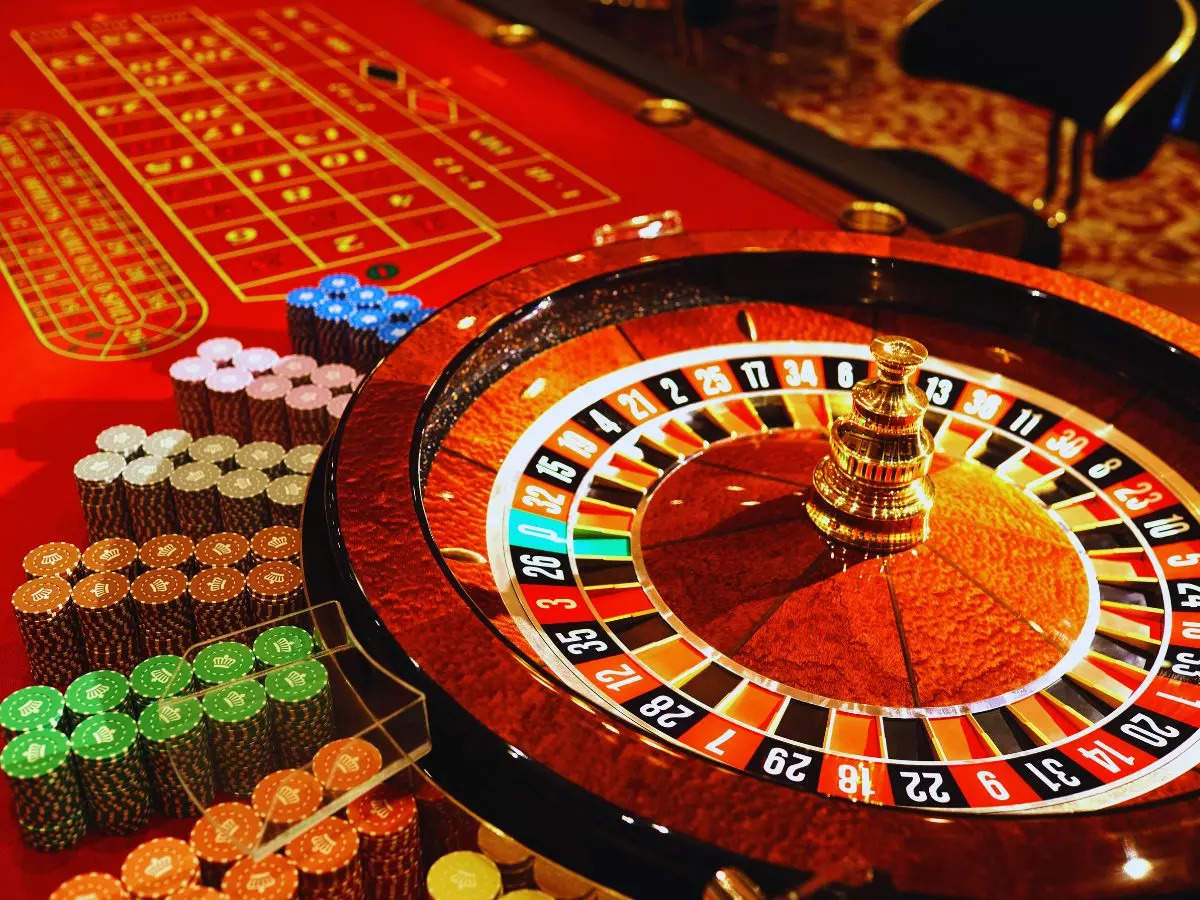
In various indigenous cultures, gambling was often used in rituals and ceremonies, symbolizing more than just a game of chance. It served as a means to reinforce community bonds and traditions, often involving games that were integral to social gatherings. These activities fostered social cohesion and promoted interaction among members, creating a sense of belonging that shaped their identity and cultural practices.
Throughout history, gambling has also faced periods of prohibition and regulation, influenced by moral and ethical considerations. In medieval Europe, for instance, gambling was often frowned upon, associated with vice and corruption. Despite this, it continued to thrive underground, demonstrating its resilience and the deep-rooted desire for risk-taking that is inherent in human nature. The historical evolution of gambling reflects the complexities of human society, showcasing its dual role as both a source of entertainment and a challenge to societal norms.
Gambling as a Social Activity
The social aspect of gambling is pivotal in understanding its cultural significance. Traditionally, games of chance have provided a space for people to gather, fostering camaraderie and shared experiences. Casinos, betting houses, and informal gaming circles serve as social hubs where individuals come together to connect, celebrate, or even grieve. The collective thrill of a high-stakes game or the shared disappointment of a loss can create strong emotional bonds among participants.
Additionally, gambling often transcends socio-economic boundaries, allowing people from different walks of life to interact. Events such as poker tournaments or community bingo nights attract diverse crowds, reinforcing social networks and promoting inclusion. This aspect of gambling can be seen as a microcosm of society, where the act of wagering unites people around a common interest, often leading to lasting friendships and community ties.
Moreover, gambling has influenced the development of various cultural traditions and customs. Festivals, fairs, and public events frequently incorporate games of chance, reflecting the community’s values and heritage. For instance, local fairs may include games that pay homage to historical practices, celebrating the cultural significance of gambling while providing entertainment for attendees. This integration of gambling into cultural events showcases its ability to enrich social life and create shared experiences.
The Psychological Impact of Gambling
The psychological aspects of gambling are significant, influencing individuals and communities alike. On one hand, engaging in games of chance can evoke feelings of excitement and exhilaration, providing an escape from everyday life. This psychological thrill can enhance social interactions, as individuals bond over shared experiences and heightened emotions. The adrenaline rush associated with gambling taps into fundamental human emotions, making it a captivating pursuit for many.
However, gambling also poses risks, including addiction and negative mental health effects. The duality of gambling as a source of enjoyment and potential harm highlights the complexity of its impact on individuals and societies. Many cultures have developed measures to promote responsible gambling, emphasizing the need to balance entertainment with the awareness of its potential consequences. Programs designed to educate individuals about gambling responsibly are becoming increasingly prevalent, reflecting a growing recognition of the psychological factors at play.
Furthermore, the narrative surrounding gambling is often shaped by cultural attitudes toward risk and reward. In some cultures, risk-taking is celebrated and viewed as a pathway to success, while in others, it is seen as reckless behavior. This perception influences the way gambling is integrated into social practices, shaping not only individual attitudes but also community norms and values regarding risk and responsibility.
The Role of Technology in Modern Gambling
The advent of technology has revolutionized the gambling landscape, reshaping how societies engage with games of chance. Online gambling platforms have emerged as significant players in the industry, providing unprecedented access to a wide array of gaming options. This digital transformation has made gambling more accessible, enabling people to engage in their favorite games from the comfort of their homes. As a result, online casinos have contributed to a cultural shift, changing perceptions of traditional gambling venues.
Moreover, technological advancements have led to the development of innovative games that incorporate elements of virtual reality and gamification, enhancing the overall experience for players. These new formats not only attract a younger demographic but also redefine how gambling is perceived, blurring the lines between gaming and traditional gambling practices. This evolution challenges societal norms, creating new discussions around the implications of technology on cultural traditions.
Additionally, the rise of mobile gambling applications has transformed the social dynamics of gaming. Players can now engage with others globally, fostering a sense of community that transcends geographical boundaries. This has implications for cultural exchange, as players share strategies, stories, and experiences across diverse backgrounds. The intersection of technology and gambling continues to shape cultural narratives, influencing how societies view risk, community, and entertainment.

Exploring WinShark Casino’s Cultural Influence
WinShark Casino stands out in the modern landscape of online gambling, offering a rich tapestry of gaming experiences that reflect contemporary cultural values. With a diverse range of over 8,500 slot machines and live dealer games, it caters to both casual gamers and seasoned players. The platform emphasizes community by promoting responsible gambling practices and creating a safe environment for all participants. This focus on responsibility showcases an awareness of the psychological impacts of gambling and the need for a balanced approach.
The site’s user-friendly design ensures that players can seamlessly navigate their gaming experience, whether they are using a desktop or mobile device. This accessibility mirrors broader cultural trends towards convenience and digital engagement. WinShark Casino’s commitment to integrating various payment options, including cryptocurrencies, highlights the evolving nature of transactions in gambling and reflects the growing acceptance of digital currencies in society.
In conclusion, WinShark Casino is not just an online gaming platform; it represents the dynamic interplay between gambling, technology, and cultural traditions. As it continues to evolve, it will undoubtedly contribute to shaping the future of gambling culture, fostering connections among players while navigating the complexities of risk and reward in a rapidly changing world.
